
Buying Solar Panels Wholesale? Vet the Structure Supplier Too
Panel pricing dominates procurement conversations; structural supplier verification is where project risk hides.
A solar panel supplier is not a single category. Procurement teams that run one RFQ for modules and one for mounting structures make better shortlists than those that merge the two. The reason is simple: panel suppliers and structural suppliers carry different engineering, certification, and delivery risks. This guide walks through the four supplier categories, direct vs wholesale trade-offs, and separate vetting checklists.
Key Takeaways
- Solar panel sourcing and structural sourcing should be separate RFQ tracks.
- Direct manufacturers offer technical depth but shift verification burden to the buyer; wholesalers trade inventory convenience for less engineering support.
- Ask every supplier for current certification documents, traceability, and warranty terms before shortlisting.
- Structural suppliers need site-specific design documentation, not just a catalogue part number.
Supplier Categories in Solar Procurement
Before sending a single RFQ, separate the vendor universe into four buyer-relevant channels.
Direct manufacturers produce the panels or structures under their own name and sell to project owners, EPCs or distributors. A specialist wholesaler buys from multiple manufacturers and holds inventory for mixed-supplier projects. A regional distributor offers local stock, logistics, and sometimes compliance paperwork. A structural or system supplier focuses on the mounting and racking side; some also supply panels, but many do not.
That last distinction matters. Too many buyers evaluate panel pricing first and treat the mounting structure as a bolt-on. Before comparing supplier types, understand the product category itself: solar mounting solutions range from fixed rail systems to more complex canopy and ground-mount configurations. The structural supplier decision is a separate sourcing track, not a sub-bullet on the panel RFQ.
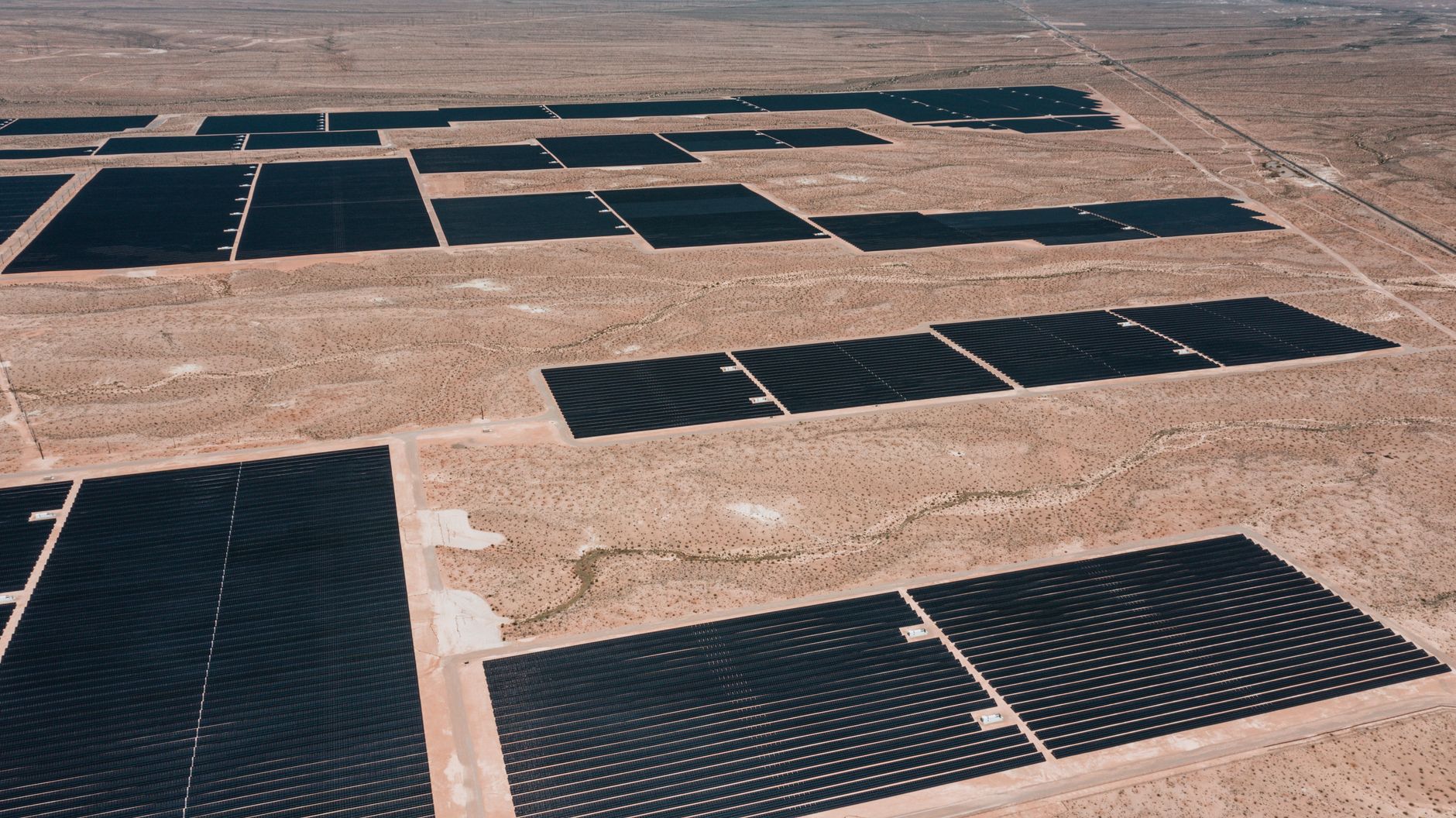
Direct vs Wholesale Panel Sourcing: What the Difference Really Is
The difference is not mainly price. It is where the procurement risk sits.
Buying direct from a manufacturer often means larger order volumes and production lead times that follow a backlog. The buyer owns more of the verification work: checking certification documents, confirming traceability from cell to module, and negotiating warranty enforcement. In exchange, the buyer gets direct technical access and fewer layers between the spec and the factory floor.
Buying through a specialist wholesaler shifts part of that burden. Wholesalers typically carry inventory from multiple manufacturers, which helps when a project needs mixed panel capacities or faster delivery from stock. But the wholesaler is not the manufacturer; warranty claims and technical corrections may route through an intermediary, and the buyer still needs to verify which factory supplied each batch.
Neither channel is universally safer. The decision turns on order size, internal engineering capacity, and whether the project can absorb a longer discovery process before committing.
The Structural Supplier Track: Why It Deserves Separate Vetting
The module is a finished product with a datasheet. The mounting structure is an engineered interface between the module, the site, and the installation crew.
Panel suppliers are evaluated primarily on product performance and supply continuity. Structural suppliers are evaluated on how their design behaves under site-specific wind, snow, terrain, and installation constraints. A panel supplier and a structure supplier may be different companies with different engineering responsibilities, and the project needs both to be shortlisted independently.
Site geometry changes that structural profile. Space requirements for horizontal mounting directly affect row spacing, foundation layout, and the amount of steel or aluminium a supplier must quote. If the structural vendor has not reviewed site drawings, load assumptions, and geotechnical inputs, no panel datasheet can fix the resulting schedule or safety exposure.
A Vetting Checklist for Panel Suppliers
Use the same questions across direct manufacturers, wholesalers, and distributors. The answers reveal whether a supplier can support a project beyond the quote.
A supplier that cannot produce these documents before contract signature is not a procurement partner; it is a pricing placeholder.
- Ask for current certification documents relevant to the installation region. Do not accept a supplier's claim that a panel is certified; request the actual document and check its scope and validity.
- Confirm manufacturing traceability: which factory produced the batch, which cell supplier was used, and whether that changes between orders.
- Request the warranty terms in writing, including who backs the performance warranty and how claims are processed if a panel underperforms.
- Clarify minimum order quantities and lead times from stock and from production. This determines whether the supplier fits the project phase, not just the total megawatts.
- Ask whether the panel is marketed as Tier 1 or equivalent, and require the listing or ranking criteria used. If the answer is vague, verify through an independent source.
A Vetting Checklist for Structure Suppliers
The structure supplier list looks different because failure modes are site-specific.
The most useful check is to ask for a design walkthrough. A supplier that cannot explain designing a solar panel structure for your site is not ready for a shortlist.
- Request evidence of engineering review capability: a licensed engineer or external engineering partner who can stamp drawings for the project jurisdiction.
- Ask for material traceability on structural steel or aluminium, including mill certificates and batch records where relevant.
- Ask how the corrosion protection approach is specified and tested for the project environment. Avoid suppliers that offer only a blanket coating claim without location-specific data.
- Confirm how the supplier handles project-specific loads: wind, snow, terrain, and foundation conditions should appear in the design inputs, not as assumptions after quote.
- Require design documentation before purchase.
When a Wholesaler Makes More Sense
Wholesale channels earn their place when the project profile matches inventory and local support, not when a buyer simply wants a lower unit price.
A wholesaler or regional distributor reduces procurement friction in several legitimate scenarios. Mixed-supplier projects with different module sizes or brands are easier to source through a channel that already holds multiple lines. Short lead times favour stock on hand over production slots. Smaller order volumes may not reach direct manufacturer minimums, making a wholesaler the only practical route.
For UK projects, buyers searching for wholesale solar panels UK often need regional stock, local logistics, and documentation that matches local compliance requirements. Check local compliance requirements before assuming a distributor's paperwork is sufficient. A regional wholesaler can reduce friction, but it does not remove the buyer's duty to verify that the panel and structure are fit for the site.
What to Ask Before Shortlisting
Send these questions to every supplier category. The goal is not a polished brochure; it is consistent, auditable answers.
- Which factory produced the panels or structural components in your previous three orders?
- Can you provide current certification documents for the installation region?
- What are the minimum order quantities and lead times from stock and from production?
- Who is responsible for warranty claims, and what documentation is required to start one?
- For structure suppliers: which engineer reviews project-specific loads and issues drawings?
- For panel suppliers: what Tier 1 or equivalent listing evidence can you provide?
Procurement teams that separate panel sourcing from structural sourcing before the first RFQ are less likely to discover problems after contracts are signed. Panel suppliers win attention because modules dominate the budget. Structural suppliers win or lose the project on site tolerances, engineering review, and documentation quality. Vet both tracks with the same discipline, and treat structural verification as the part of due diligence that cannot be delegated to a distributor.