The Builder Selection Criteria That Reduce Ground-Mount Project Risk
A practical evaluation framework for EPCs, developers, and procurement teams assessing ground-mount installation partners.
Choosing the wrong builder for a ground-mount solar array can turn a viable project into a chain of change orders, structural rework, and interconnection delays. The right builder, on the other hand, identifies site risks early, specifies an appropriately engineered mounting structure, and delivers a project that meets its performance commitments. Most procurement teams do not struggle to find builders; they struggle to separate qualified teams from those who have only installed rooftop systems or lack genuine geotechnical and structural experience. This guide provides a decision framework for evaluating builders for ground-mount solar installation, with clear criteria you can apply to RFPs, bid reviews, and site visits. It does not rank specific companies. It helps you build a shortlist based on verifiable competence.
Key Takeaways
- Ground-mount installation is a distinct discipline from rooftop work; verified ground-mount experience is a hard requirement, not a preference.
- A builder's approach to geotechnical assessment, structural design, and mounting system supply is a stronger indicator of quality than bid price alone.
- Red flags like missing soil testing or undefined scope should disqualify a bid early, before you spend time on references and pricing.
- The mounting system manufacturer's engineering support and warranty are separate from the builder's workmanship warranty; confirm both before signing.
Ground-Mount Builder Evaluation Criteria
Criterion | What to Look For | Early Red Flags |
|---|---|---|
Ground-mount project experience | Completed utility-scale or commercial ground-mount arrays; verify with references and photos. | No documented ground-mount projects; only rooftop portfolio. |
Geotechnical and site assessment | Soil testing, pull-out tests, wind and snow load evaluation; can interpret geotech reports. | No mention of soil conditions or site-specific structural analysis. |
Mounting system expertise | Specifies or collaborates with mounting system manufacturer; understands fixed-tilt vs tracker structural demands. | Uses generic racking without site-specific engineering. |
Electrical and regulatory | Grid interconnection experience, permitting, local electrical code compliance. | No in-house electrical engineer or regulatory lead. |
Project delivery | Schedule adherence, change order control, safety record. | Frequent schedule overruns, unexplained change orders, poor safety documentation. |
Financial stability and warranty | Solvent company with clear workmanship warranty; distinguishes from manufacturer warranty. | No warranty terms, unclear financial standing, reluctance to provide bonding. |
Ground-Mount Builders Are Not Rooftop Installers
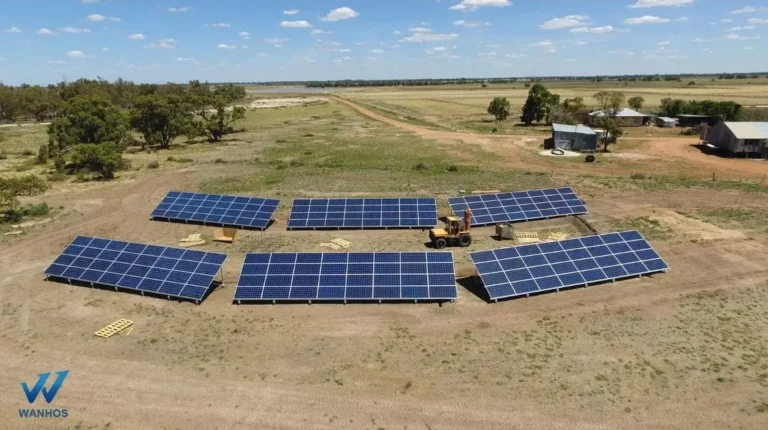
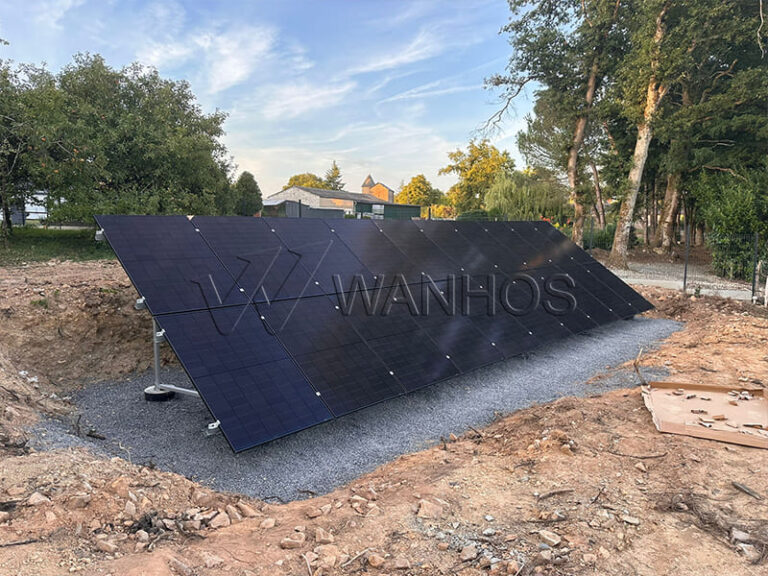
Treating ground-mount installation as a variant of rooftop work is the fastest way to select the wrong builder. Ground-mount projects require civil works, foundation design, structural steel assembly, and often utility-scale electrical integration. A builder whose only experience is rooftop arrays may not have the equipment, soil analysis capability, or tolerance control needed for hundreds of modules on driven piles or concrete foundations. The installation process itself is different: foundations must be set to precise elevations, racking must withstand open-terrain wind loads, and drainage must be managed across the site. Ask for ground-mount specific experience before reviewing any other qualification.

The Evaluation Framework at a Glance
Six criteria matter most when shortlisting ground-mount builders. Use this table to screen bids before scheduling site visits or reference calls.
Six Criteria That Separate Qualified Ground-Mount Builders
Screening a builder is not about collecting marketing brochures. Each of the following criteria should be verified with documentation, references, or a site visit. If a bid does not address them, treat that absence as a risk signal.
Verified Ground-Mount Project Experience
Ground-mount experience is non-negotiable. A builder who has only installed rooftop systems will not have the heavy equipment logistics, foundation methods, or tolerance control needed for large arrays. Ask for a project list that includes capacity, location, mounting type, and completion date. Then verify at least two references from projects of similar scale and soil conditions. Different project types require different builder expertise; a team experienced with fixed-tilt structures may not be ready for single-axis tracker installation.
Geotechnical and Site Assessment Competence
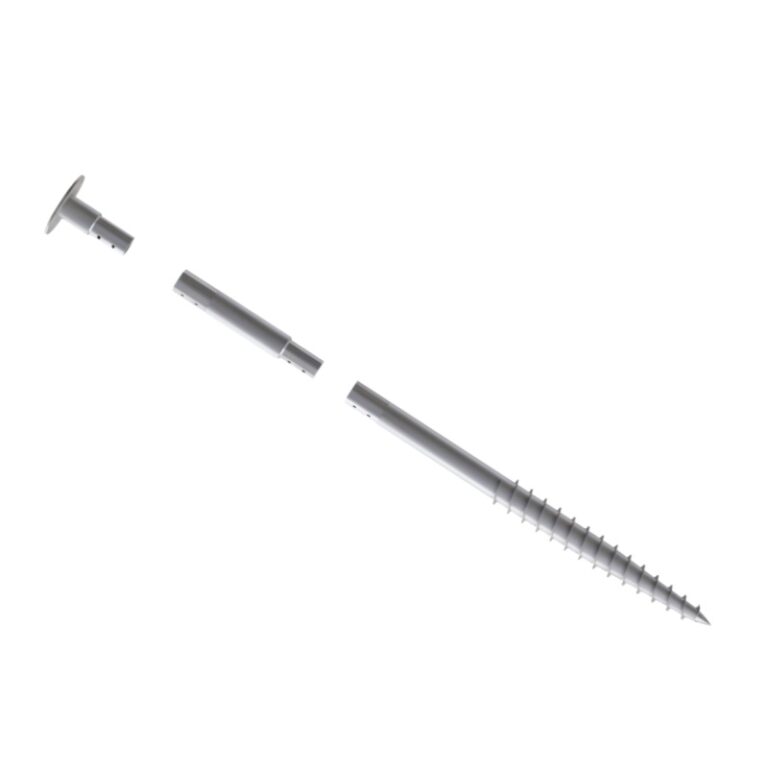
Soil bearing capacity, frost depth, wind uplift, and drainage all change how foundations are designed and how the mounting system is configured. A qualified builder will either conduct soil testing or coordinate a geotechnical engineer. They should be able to explain pull-out test requirements for driven piles or soil screws and adjust foundation depth or ballast accordingly. Key questions include whether soil borings were conducted, which wind and snow design loads were used, and how the builder handles high water tables or expansive soils. For a deeper look at site evaluation, see our post on ground mount design considerations.
Mounting System Design and Supply Expertise
A builder that simply assembles whatever mounting structure is provided is not the same as one who understands how the structure interacts with the site. The mounting system must be engineered for the specific wind, snow, and soil conditions, not selected from a catalog. Builders should be able to discuss structural calculations, corrosion protection, and material compatibility. If they specify a mounting system, ask who provides the engineering stamp and what warranty covers the structure. A builder with genuine expertise will work directly with the mounting system manufacturer to confirm that the structure is appropriate for the project.
Electrical and Regulatory Compliance Capability
Ground-mount arrays often require medium-voltage interconnection, utility coordination, and strict adherence to local electrical codes. The builder should have an electrical engineer on staff or a proven subcontractor relationship. Ask how they manage permitting, inspections, and grid interconnection timelines. For tracking systems, verify that the team has experience with motor power, communication wiring, and tracker control integration.
Project Management and Delivery Track Record
A technically competent builder can still fail on schedule, change orders, or site safety. Request project schedules from past work, including original plan vs. actual completion. Ask directly about how change orders were handled and whether safety incidents occurred. A builder that cannot provide a clean safety record or references who mention cost overruns should be deprioritized. Look for documented schedule adherence, a clear change order process, and a safety record with no unresolved serious incidents.
Financial Stability and Warranty Backing
A builder's solvency matters because workmanship warranties only have value if the company still exists five or ten years later. Ask for financial references or bonding capacity, especially for larger projects. Separate the builder's workmanship warranty from the mounting system manufacturer's product warranty — they cover different failures and are honored by different entities.
Red Flags to Watch For in Builder Bids
Some bids should be eliminated before you spend hours on interviews. These patterns appear repeatedly in ground-mount projects that later face structural problems, delays, or disputes.
- Unrealistically low pricing compared to other bids with similar scope — may indicate missing geotechnical work or a cheaper mounting structure without engineering.
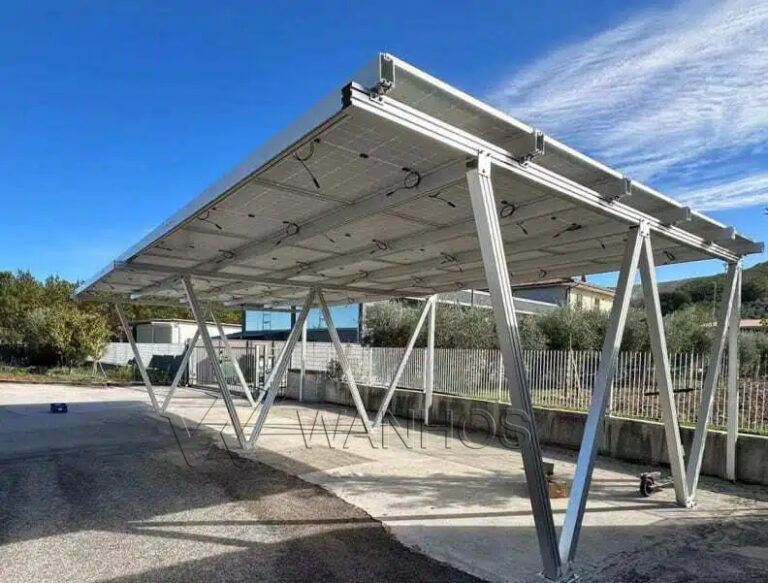
- No documented ground-mount project experience; portfolio consists entirely of rooftop or carport installations.
- Scope of work is vague, especially around foundations, soil testing, and mounting system supply.
- No geotechnical assessment or site-specific structural calculations in the proposal.
- Reluctance to provide references or site visits, or references are from projects too small or too different in scale.
- Warranty terms are missing, exclude foundations, or do not specify who backs the mounting structure.
- Builder pushes a particular mounting system without explaining how it meets site conditions.
Questions to Ask Before Hiring a Ground-Mount Builder
Use these questions in an RFP or bid evaluation. Ask for written responses where possible, and verify claims through references and documentation.
- Experience and references: How many ground-mount projects over 500 kW have you completed in the last three years? Can you provide three references from projects with similar soil conditions and mounting type?
- Engineering and site assessment: Who performed the geotechnical investigation, and can you share the soil report and foundation design basis? What wind and snow loads were used?
- Mounting system and procurement: Who supplies the mounting structure, and is the structural engineering stamped by a licensed engineer? What is the manufacturer warranty and how is it administered?
- Electrical and regulatory: How do you manage utility interconnection and permitting, and who is responsible for schedule impacts if approvals are delayed?
- Project management: Can you provide a sample project schedule and actual completion data? How are change orders approved and documented?
- Warranty and financials: What is the term and coverage of your workmanship warranty, and what is your bonding capacity? May we speak with your bank or financial reference?
The Role of the Mounting System Manufacturer in Your Builder Decision
A builder's relationship with the mounting system supplier can affect engineering quality, delivery timing, and warranty enforcement. If the builder sources a generic structure from a distributor without direct manufacturer support, you may lose access to design optimization and field engineering. Ask whether the builder has worked with the mounting system manufacturer before and whether the manufacturer can provide stamped structural calculations for the specific site.
WANHOS supplies ground-mount structures to installation builders worldwide and can provide engineering support during system selection and project design. This does not mean WANHOS builds or installs the array — that remains the builder's responsibility — but a builder who coordinates with the manufacturer is less likely to force an unsuitable structure onto the site.
Summary Checklist: Your Ground-Mount Builder Selection Scorecard
Before signing a contract, confirm each of the following. If an item cannot be documented or demonstrated, treat it as an unresolved risk.
- Builder has completed at least two ground-mount projects of similar scale and mounting type, verified by references.
- Geotechnical report and foundation design are specific to your site, not generic.
- Mounting system structural calculations are stamped and match local wind and snow load requirements.
- Builder has electrical and regulatory expertise, including grid interconnection and permitting.
- Project schedule, change order process, and safety record are documented and acceptable.
- Workmanship warranty terms are clear, and the mounting system manufacturer warranty is separately confirmed.
- Builder has a direct relationship or clear communication channel with the mounting system manufacturer.
Frequently Asked Questions
What is the difference between a ground-mount installer and a rooftop installer?
Ground-mount work involves civil foundations, structural steel, and often utility-scale electrical work that rooftop installers rarely encounter. A builder may be excellent at rooftop projects but lack the equipment, geotechnical knowledge, or tolerance control required for ground-mount arrays.
Should I require the builder to have experience with tracking systems?
Only if your project uses trackers. Single-axis tracker installation introduces additional alignment, motor power, and control communication complexity. For fixed-tilt projects, tracker experience is irrelevant, but builder experience with large fixed-tilt structures is still essential.
How do I verify a builder's past ground-mount project claims?
Request a project list with capacity, location, mounting type, and completion date, then contact at least two references. Ask references about schedule adherence, change orders, and how the builder handled geotechnical surprises. If possible, visit a completed site.
What part of the mounting system warranty comes from the manufacturer vs the builder?
The mounting system manufacturer typically warrants the structural components against manufacturing defects and may provide design life documentation. The builder's workmanship warranty covers installation errors, foundation quality, and assembly defects. These are separate warranties and should be confirmed with both parties.
Specify the Mounting System With the Same Rigor as the Builder
WANHOS supplies ground-mount structures to installation builders worldwide. If you are evaluating builders or preparing an RFP, our engineering team can provide mounting system specifications, design support, and supply details for fixed-tilt or tracker configurations.
Request mounting system specifications