
Two Ground Mount Systems. Clear Engineering Choices.
WANHOS does not sell a mixed bag of components. We offer two coordinated ground mount racking systems, each built around a defined architecture, foundation route, and component set. Choose the system that matches your project scale, site accessibility, and installation crew.
ZAM Steel Driven-Column System
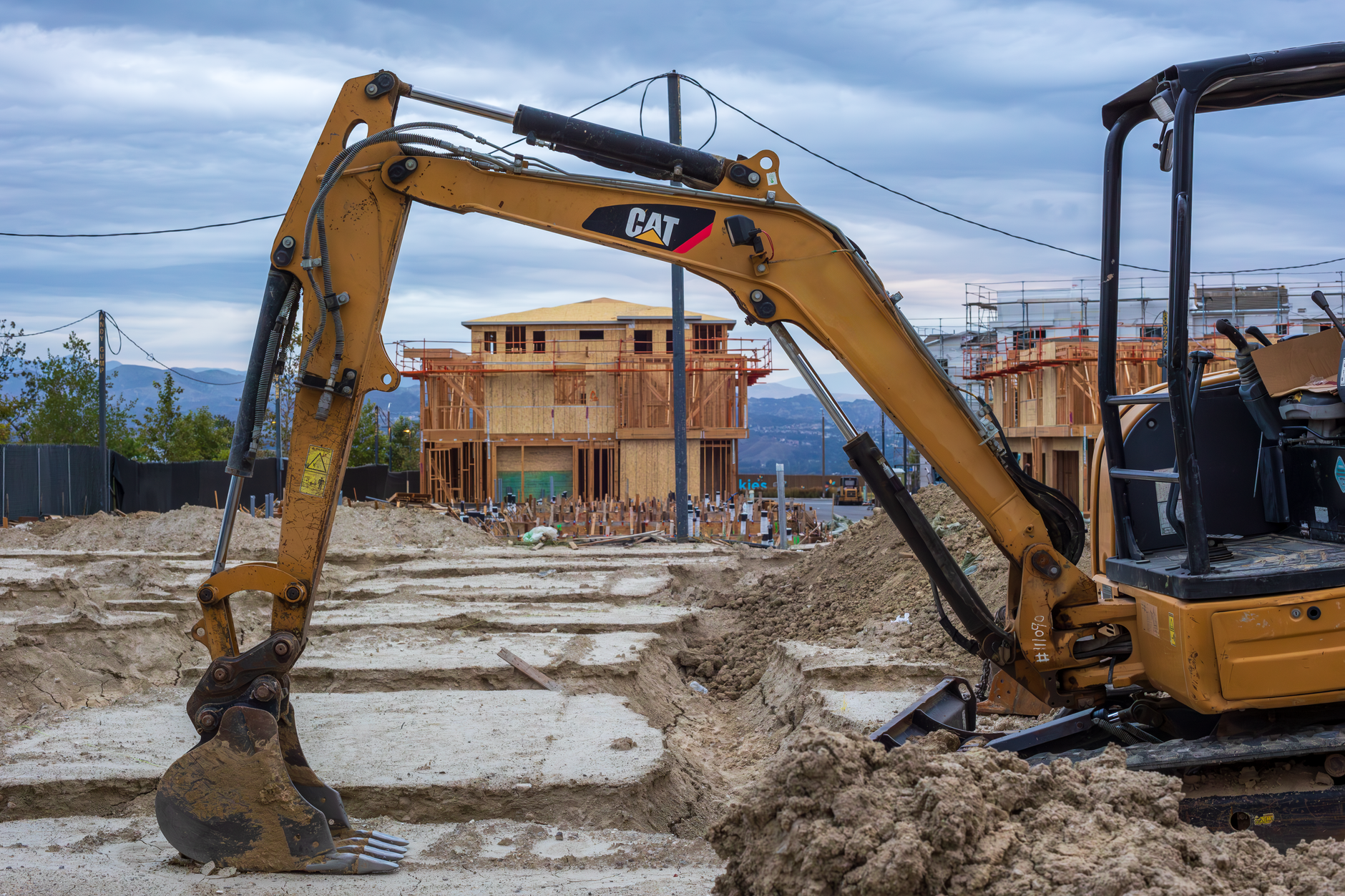
Built around the C150×75×6 primary column, the ZAM steel system uses driven piles as the foundation. Columns are driven directly into the ground with piling equipment, then connected through the Tri Splice Kit (C-AT-L200) to the main beam and diagonal brace (C-80×50×1.5). Rails (WHS-CS1) are spliced with WHS-CS1-SP kits, and modules are secured with WIC-F35 / WEC-F35 clamps. This system is suited for utility-scale and large C&I sites with favorable soil conditions and access for piling machinery.
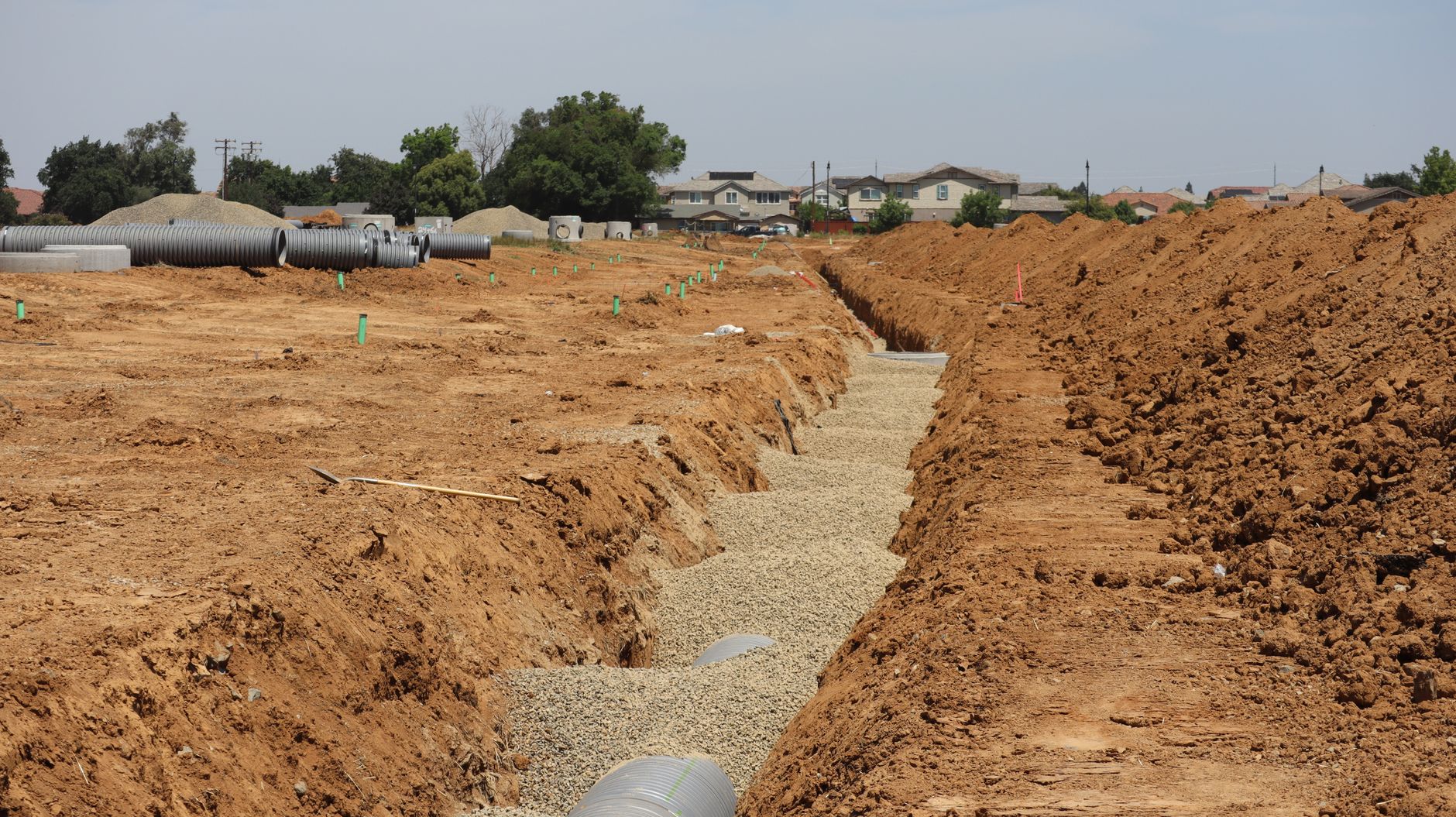
- Foundation route: driven columns vs. ground screws or concrete bases
- Frame assembly: on-site column, brace, and beam connection vs. pre-assembled brackets
- Rail connection: WHS-CS1-SP splice kits vs. WBR-02 rail splice with self-drilling screws
- Module clamps: WIC-F35 / WEC-F35 vs. WIC-F40 / WEC-F40 families
Foundation Methods for Site-Specific Ground Mount Projects
The right foundation depends on your ground conditions, project schedule, and budget. WANHOS supports four foundation routes, each with defined installation steps and documented components.
Ground Screw
Ideal for small commercial, agricultural, and community solar. No digging or concrete curing. Hot-dip galvanized screws are installed rapidly, reducing labor cost and site disturbance.
Concrete Foundation
Most versatile for commercial and industrial projects with complex terrains. High load-bearing capacity. Pre-designed rebar and formwork templates simplify construction.
Driven Pile
Cost-effective, high-speed installation for utility-scale projects with favorable soils. Heavy-duty steel piles allow rapid deployment using piling equipment.
Cast-in-Place Concrete Pile
For demanding sites with soft soil, high water tables, or extreme loads. Custom designed based on geotechnical reports. Suitable for multi-MW plants.
- Each foundation method requires project-level geotechnical review
- Site suitability and installation acceptance depend on soil class, water table, and load environment
- WANHOS provides foundation drawings and component schedules for selected method
Project-Fit Engineering for Site Conditions
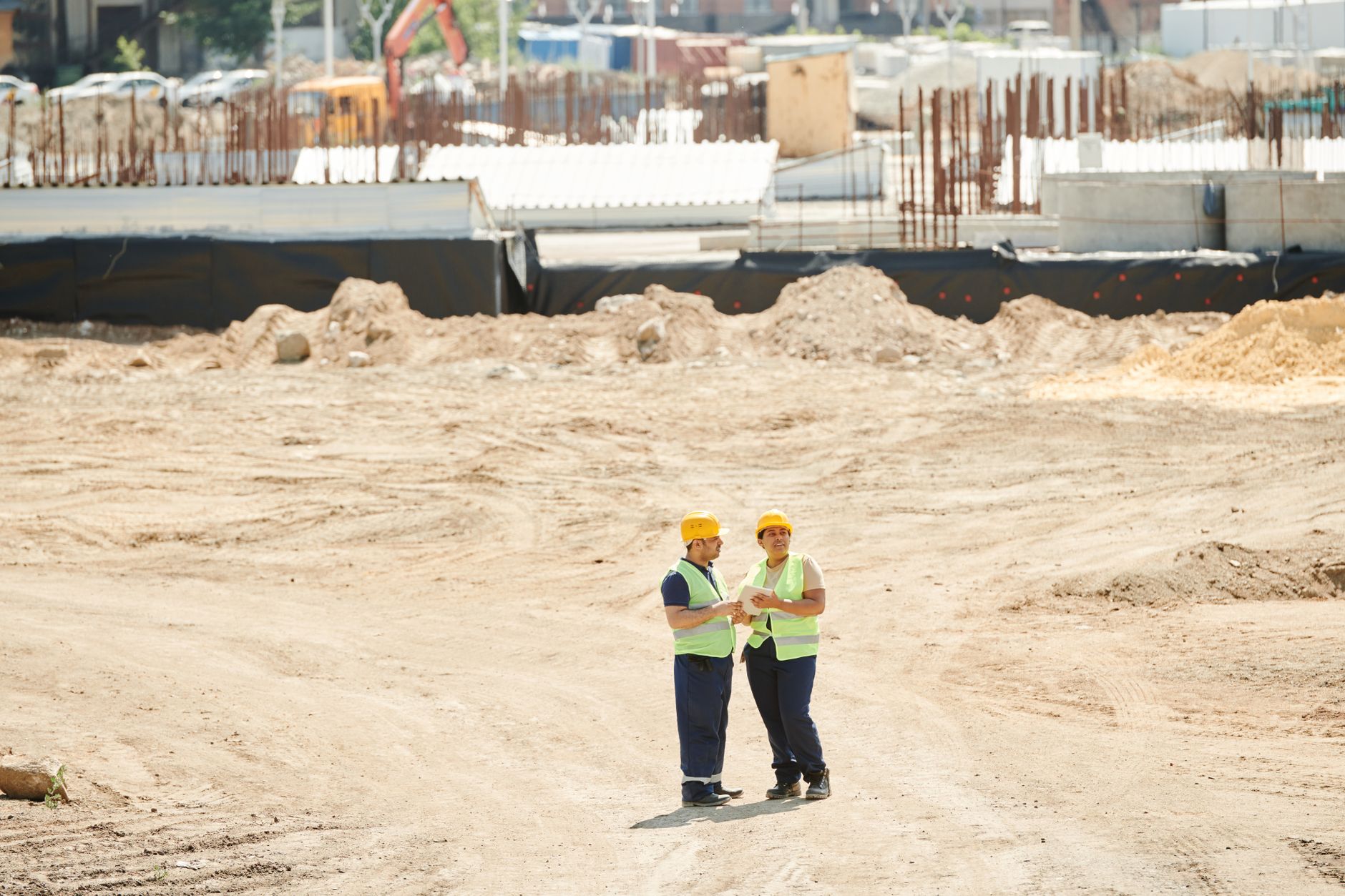
Every WANHOS ground mount system is configured to the specific tilt angles, local wind and snow loads, and geographical conditions of the project. We do not sell a fixed universal spec.
Engineering deliverables include drawing packages, bill of materials, and installation details. Material grade, coating specification, module format, and foundation design are confirmed only after reviewing your site data and project inputs. These are project inputs, not universal system ratings.
- Site-specific tilt angles and load calculations
- Drawing set: structural layout, connection details, foundation plan
- Bill of materials with exact component quantities
- Installation manual specific to your system and foundation
Coordinated Components. Documented Connections.
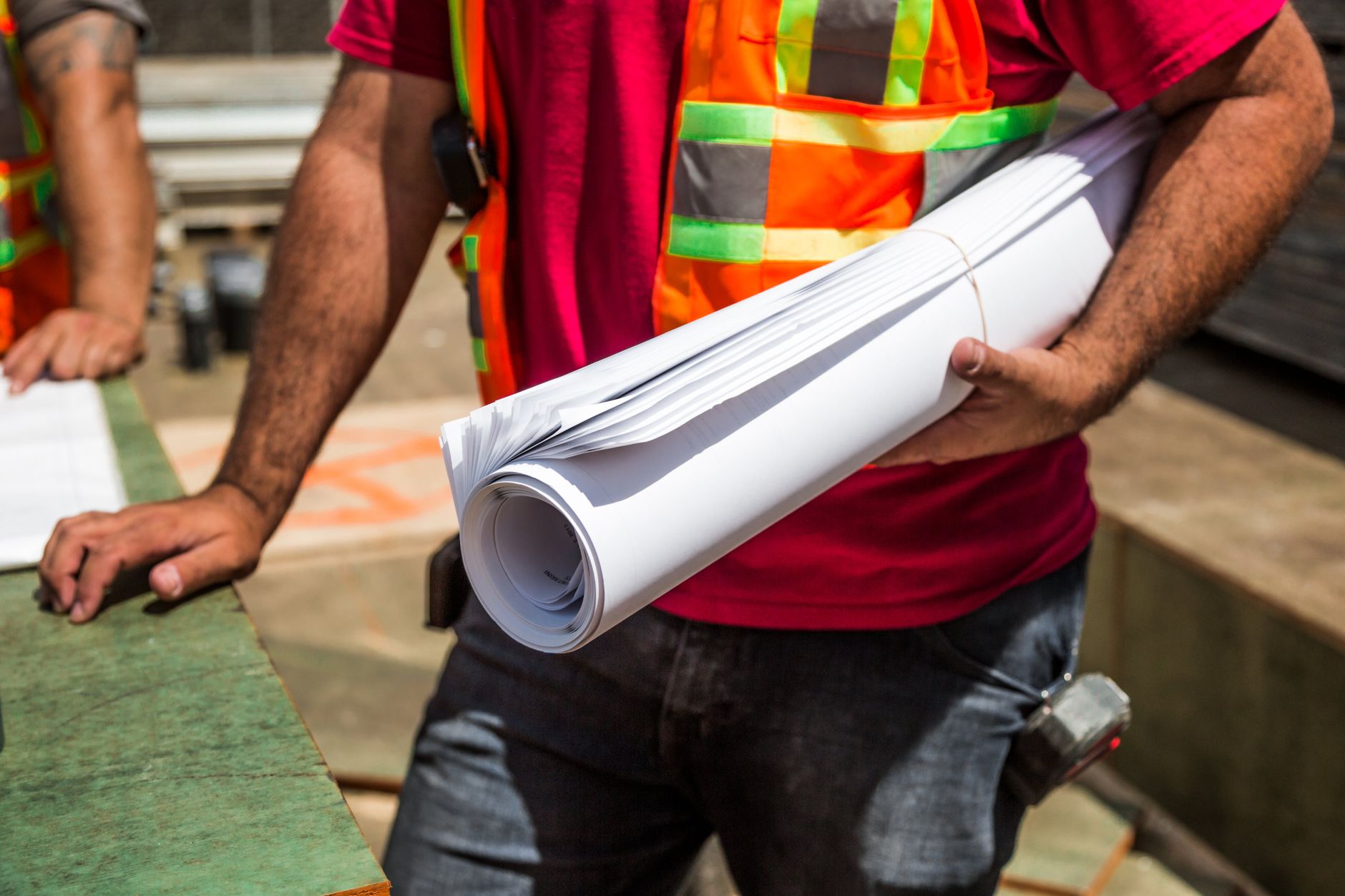
Each WANHOS system is built from a coordinated set of components. The connection details, splice kits, and clamp families are matched to the architecture—do not mix ZAM steel and aluminum component families.
ZAM Steel Component Route
Primary column C150×75×6 → Tri Splice Kit C-AT-L200 → main beam / diagonal brace C-80×50×1.5 → rail / splice WHS-CS1 / WHS-CS1-SP → rail clamp / back ribs WHS-CD1 / WHS-CS-01 → module clamps WIC-F35 / WEC-F35.
- Each component group links to its dedicated product page for full specifications
- Component item codes are used consistently in drawings and packing lists
- Explicit note: Do not substitute the ZAM system's F35 clamp family for the aluminum system's F40 clamp family
A Documented Installation Sequence for a Better-Prepared Crew
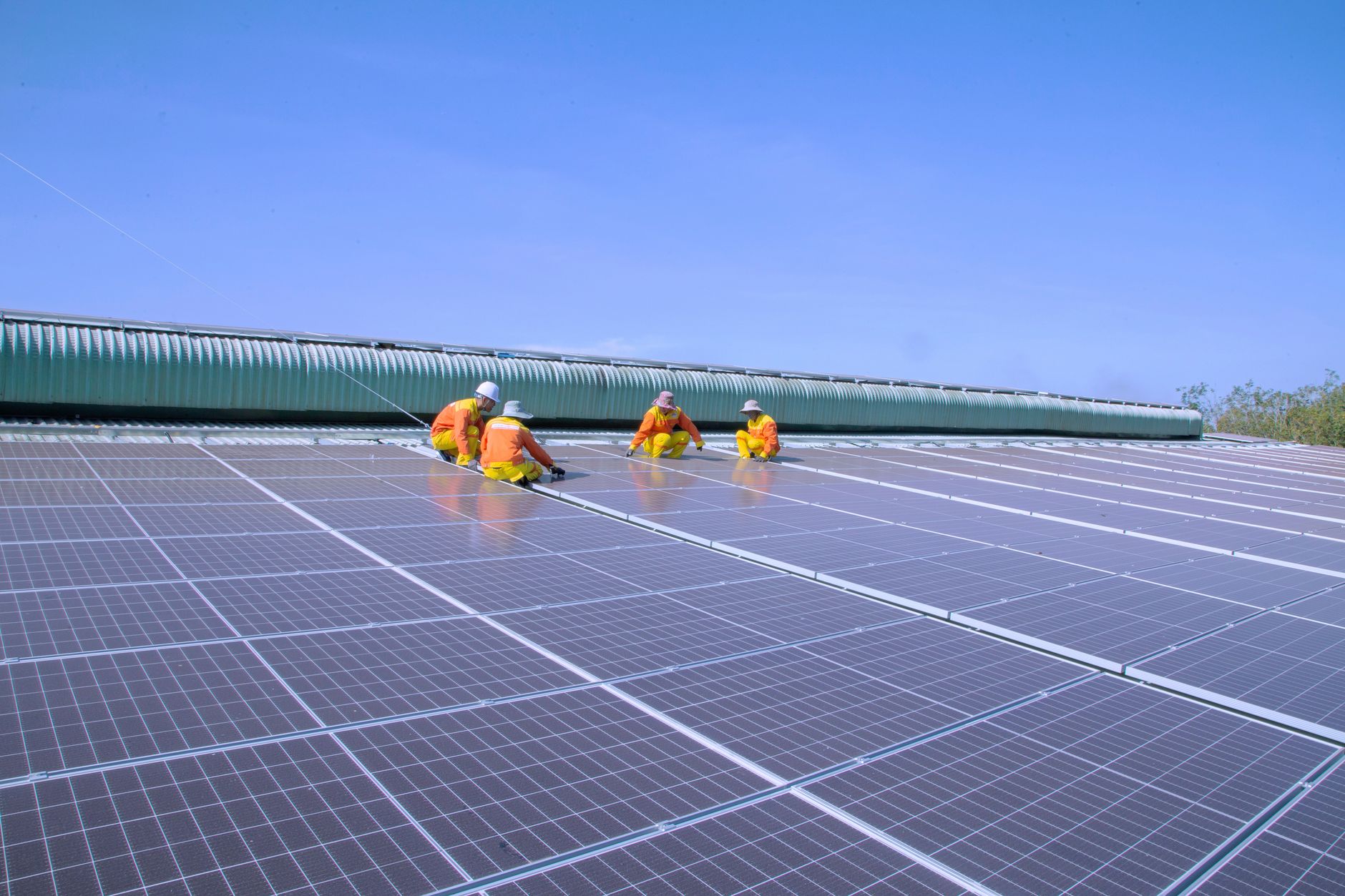
Installation risk comes from unclear sequencing. WANHOS provides a step-by-step assembly route for each system, based on the approved installation manual. Crew leaders can plan labor, tools, and equipment before arriving on site.
ZAM Steel Assembly Sequence
1) Set out and drive columns → 2) Connect support frame (Tri Splice Kit, diagonal brace, main beam) → 3) Fit rails and back ribs → 4) Install modules and clamps. Tools: piling equipment, torque wrenches, lifting gear.
- Use the approved project manual for torque settings, embedment, spacing, and acceptance criteria
- Sequence drawings match the bill of materials and packing order
- On-site supervision and training support available for large projects
Field-Proven Ground Mount Projects
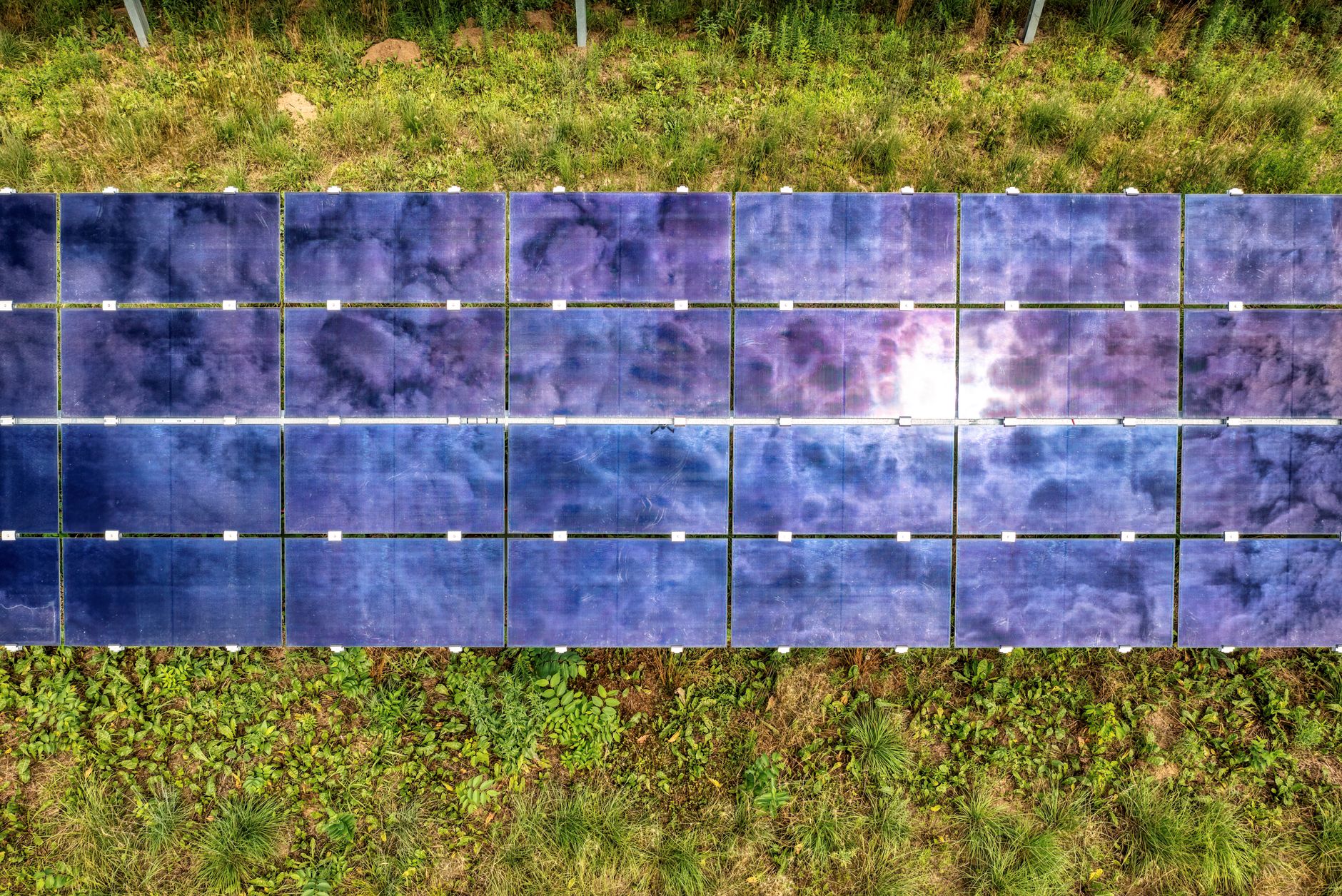
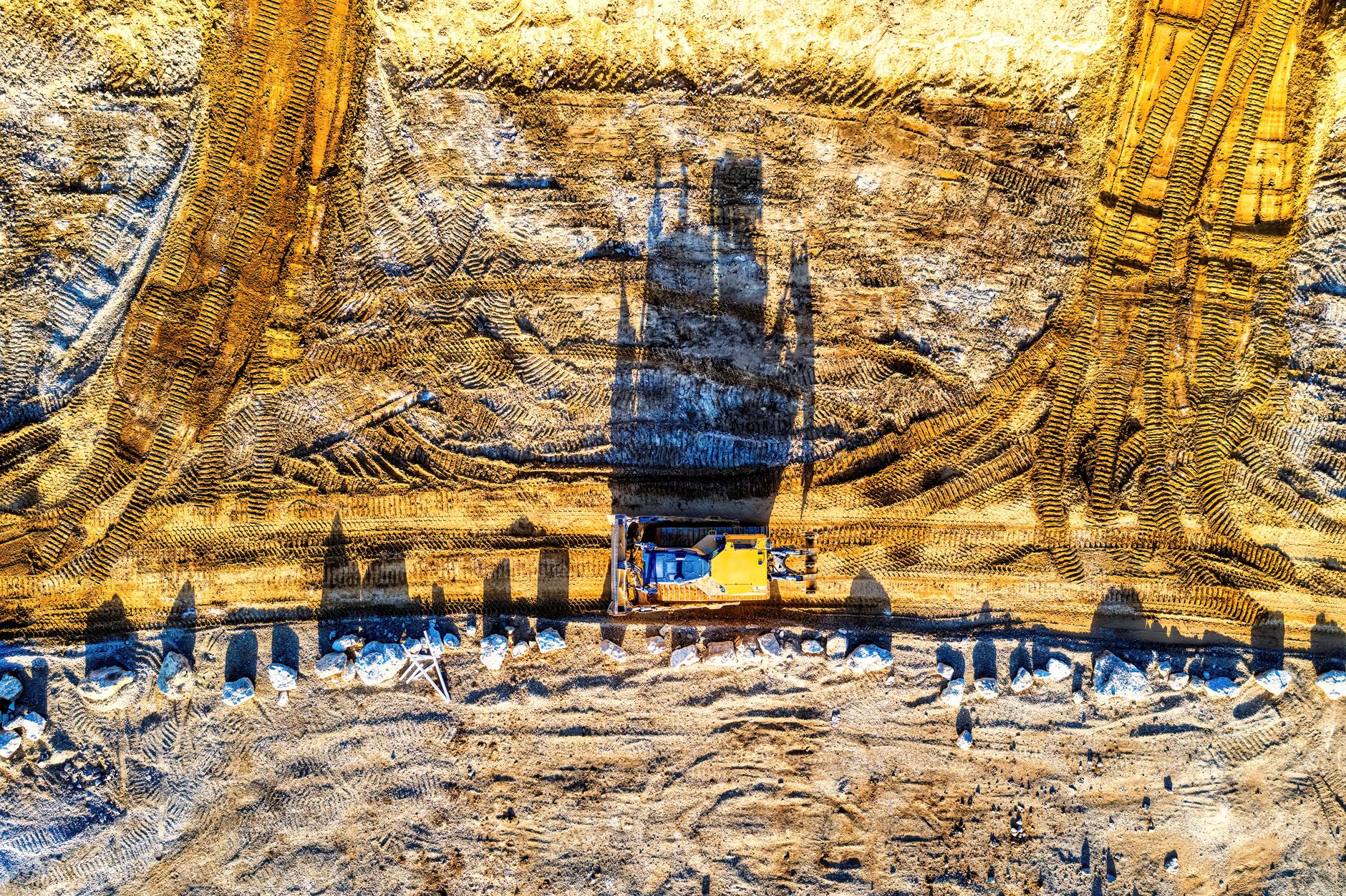
Real project photos show the system in service. WANHOS ground mount structures have been installed and are generating power. The following visual references demonstrate structural layout, module installation, and site organization.
Photographs include: an on-site ground mounting framework before module placement (repeated bays, diagonal bracing, aligned rails); an aerial view of a ground-mounted solar project in Japan (module rows, access routes, multiple fields); and module installation in progress (tilted module tables, exposed support frames, open aisles). Project capacity, module count, and customer names are available upon request for qualified project inquiries.
- Location verified: Japan (aerial and ground-level photos)
- Visible structural details: column spacing, bracing, rail alignment
- Additional project references available after NDA for qualified procurement teams
Frequently Asked Questions
Which ground mount system should I choose: ZAM steel or aluminum?
Your choice depends on project scale, soil conditions, and installation crew. ZAM steel driven-column suits utility-scale and large C&I with piling access. Aluminum pre-assembled suits smaller commercial or agricultural sites needing rapid, low-disturbance installation. Contact us with your site data and we will recommend the better fit.
Can WANHOS design the racking for my project's wind and snow loads?
Yes. Every system is configured to project-specific tilts and local loads. We require site location, module data, and geotechnical inputs to produce structural calculations and drawings. WANHOS does not provide universal load ratings; each project is individually engineered.
What foundation method is best for my site?
Ground screws work well for small commercial and agricultural sites. Concrete foundations are versatile for complex terrains. Driven piles are fast and economical for utility-scale with good soils. Cast-in-place concrete piles handle soft soil or high water tables. A geotechnical report helps determine the most suitable method.
What engineering documents do you deliver with an order?
You receive a project-specific drawing package, bill of materials, and installation manual. Drawings include structural layout, connection details, and foundation plan. The BOM lists every component and quantity for procurement and packing.
Can you provide project references similar to mine?
We can share project photos and location details from installed systems, including a Japanese ground mount installation. For larger procurement processes, we can provide additional references under NDA. Contact us with your project profile.