
Floating Solar Mounting Systems: Project-Ready Structural Solutions
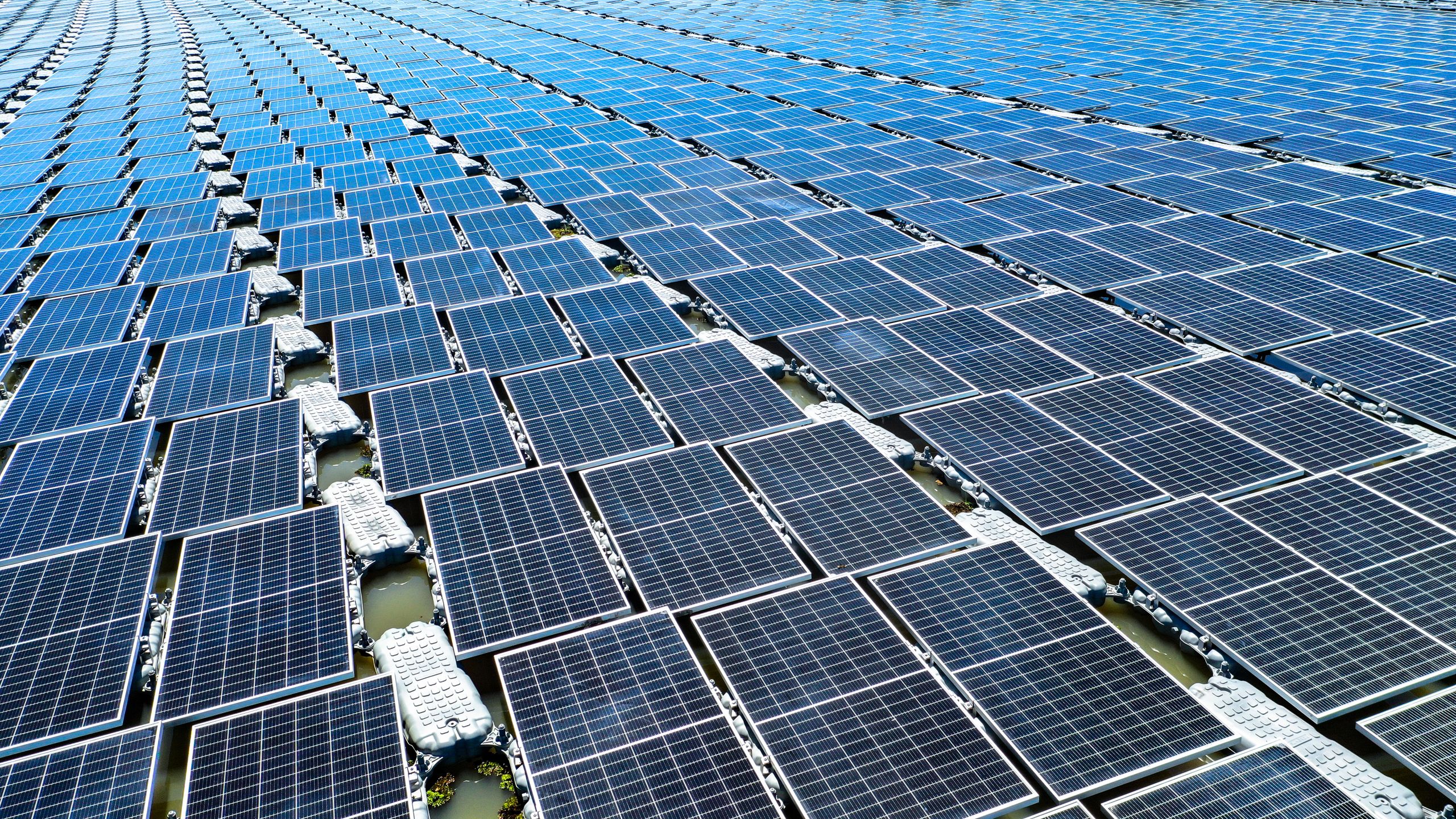
For utility-scale solar farms, commercial and industrial arrays, and agricultural reservoirs, a floating mounting system must perform as a coordinated structure, not a collection of parts.
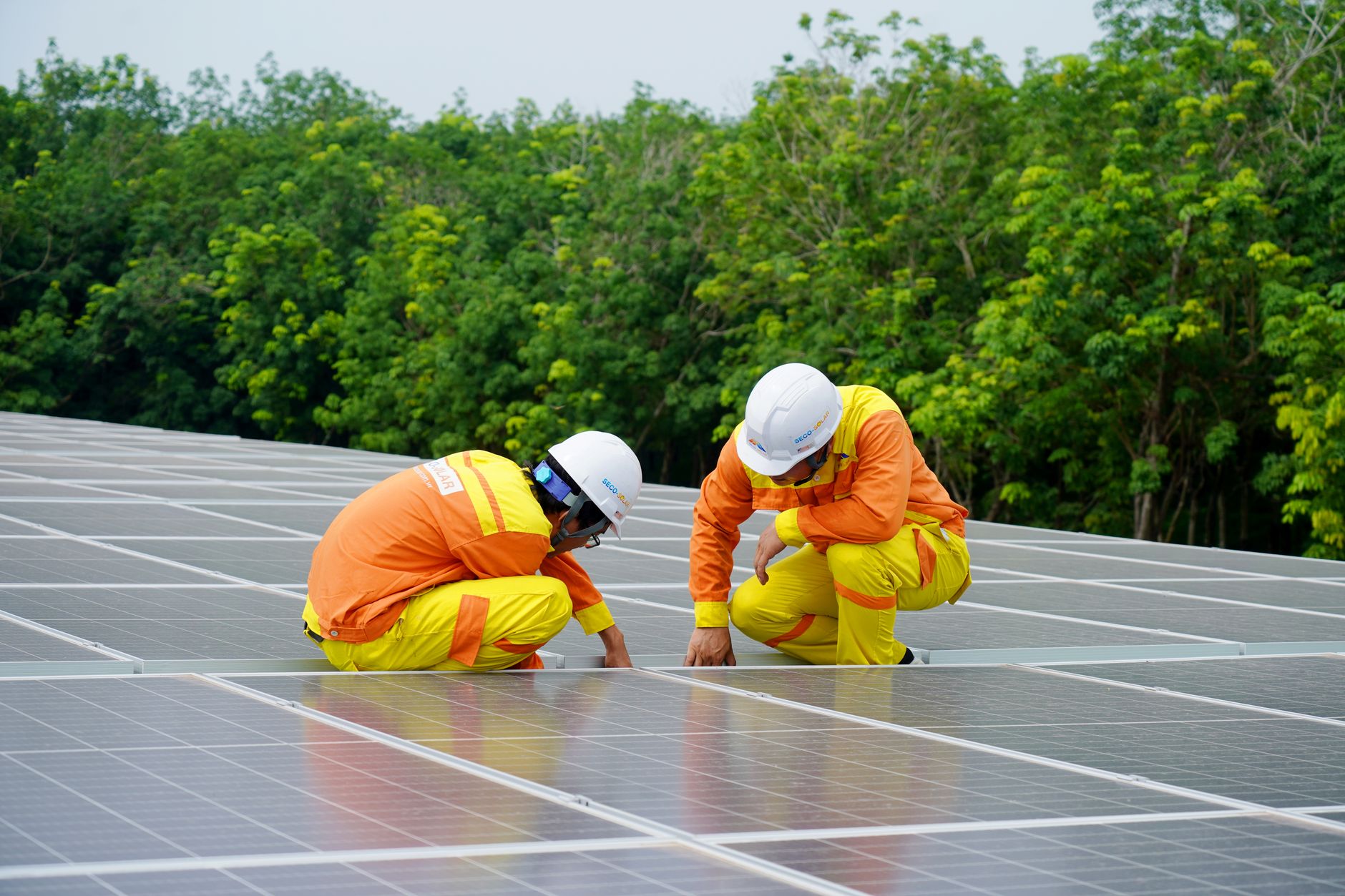
WANHOS delivers complete floating solar mounting systems designed for water-based PV projects. Each system integrates high-buoyancy floats, engineered anchoring, cable management, and connection hardware. We support EPC contractors, developers, and installers with site-specific layout planning and engineering documentation.
- Suitable for reservoirs, retention ponds, lakes, and sheltered nearshore waters
- Supports framed and frameless PV modules
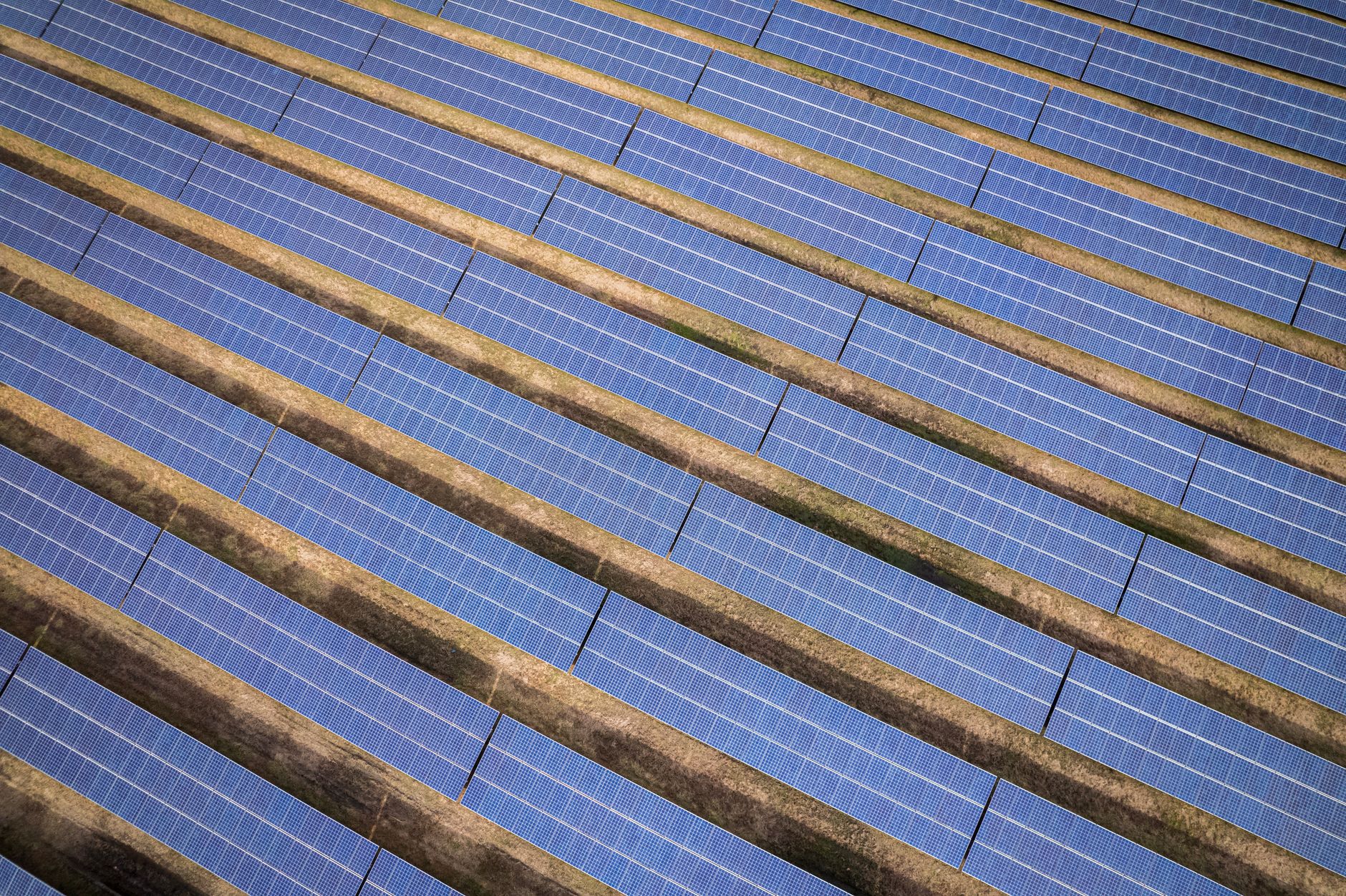
- Scales from smaller C&I installations to utility-scale arrays
- One supplier for the entire mounting subsystem
Engineering a Complete Floating PV System
A reliable floating solar mounting system integrates four interdependent subsystems. WANHOS engineers each element to work as a unified whole.
The system comprises: (1) float/pontoon array providing buoyancy; (2) anchoring/mooring system securing position; (3) cable management routing electrical lines safely; (4) connection hardware joining modules and structural elements. This approach eliminates gaps between components and reduces on-site coordination.
- Float/pontoon array: HDPE-based floats forming a stable platform
- Anchoring/mooring: wind, wave, and current load distribution
- Cable management: durable routing and protection for DC/AC cabling
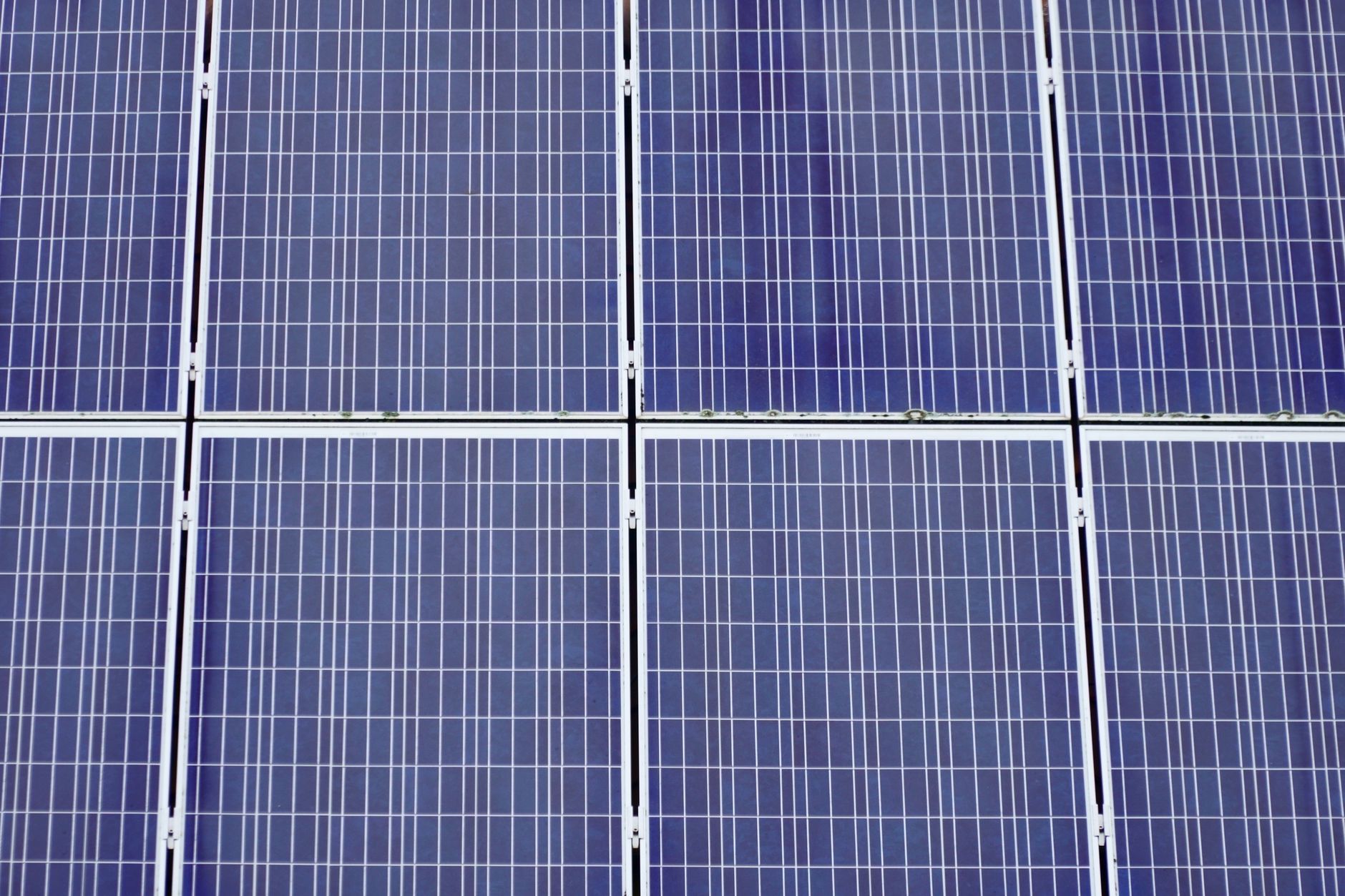
- Connection hardware: pins, brackets, and fasteners for module mounting
Four Reasons Engineers Specify This Floating Mounting System
Project decision-makers choose WANHOS for system-level reliability and engineering accountability.
Single-Source System Responsibility
Floats, anchoring, cable management, and connectors are specified as one integrated system—reducing vendor coordination and compatibility risk.
Engineering-Driven Design
Each project receives site-specific load assessment, anchoring calculations, and layout optimization before procurement.
HDPE Material Durability
High-density polyethylene resists UV radiation, corrosion, and water-immersion degradation, ensuring long service life with minimal maintenance.
Flexible Site Adaptation
Layouts and anchoring configurations adapt to your water body shape, depth, and environmental conditions.
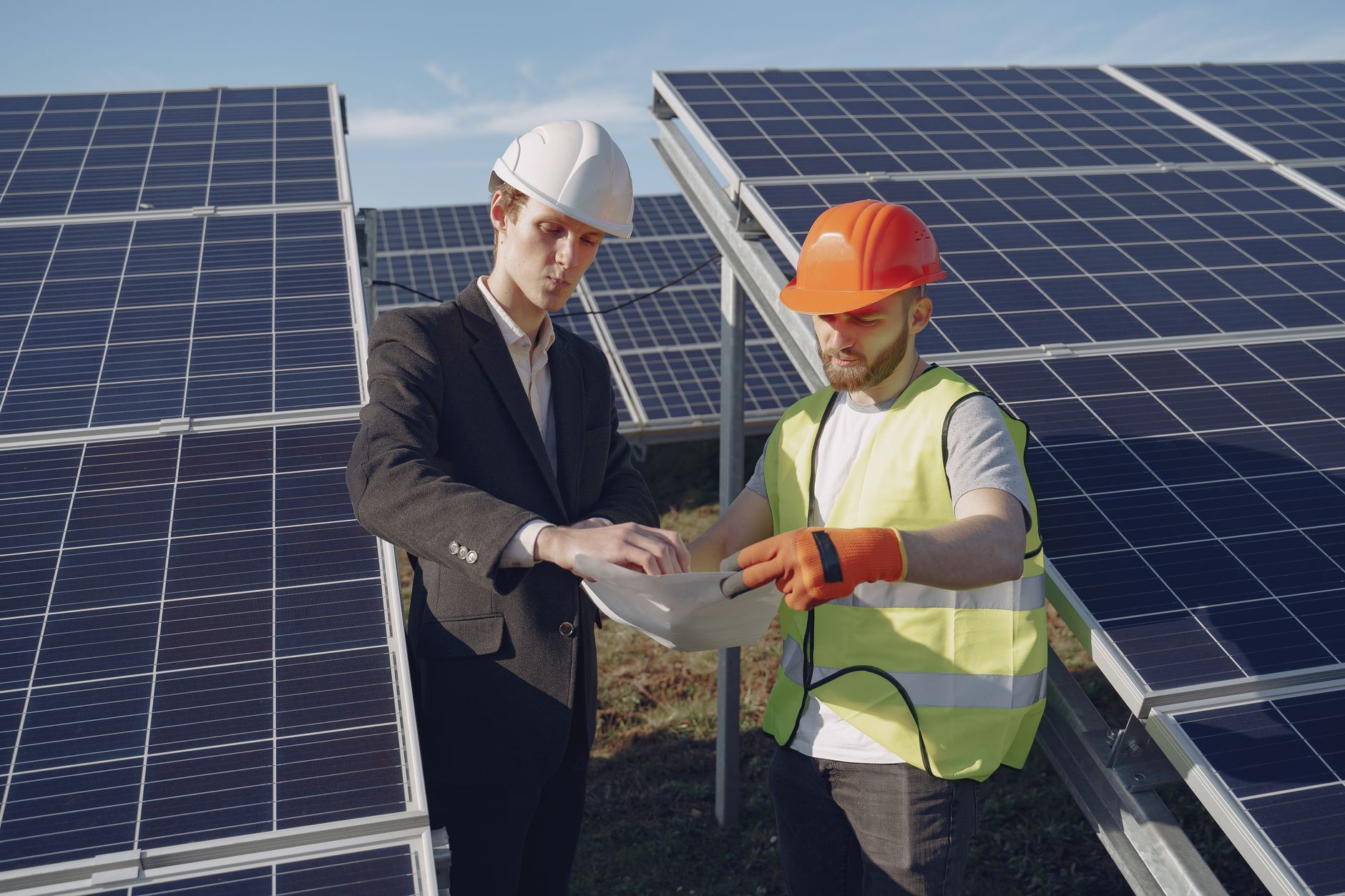
Anchoring and Site Assessment: Project De-Risking
The most critical engineering challenge in floating solar is securing the array against environmental forces. WANHOS applies a structured methodology to every project.
We begin with a detailed assessment of wind loads, wave action, currents, and water level fluctuations. Computational fluid dynamics (CFD) simulation and wind tunnel testing inform anchoring design. The result is a mooring plan with precise anchor placement, cable tension specifications, and array spacing that maintains structural integrity under maximum design loads.
- Wind and wave load analysis
- CFD simulation and wind tunnel validation
- Custom anchor design and load distribution
- Water level fluctuation compensation
Cable Management Designed for Water-Surface Operation
Electrical cabling on water requires robust protection against movement, UV, and wave impact. Our cable management is an integrated subsystem.
The system uses simple, durable fixing designs compatible with a wide range of cable types and diameters. It supports multiple wiring methods and flexible layouts, reducing installation time and long-term maintenance. Cable routing is coordinated with anchoring and array layout to minimize stress and exposure.
- Durable cable fixing components
- Compatibility with standard DC/AC cable sizes
- Resistance to wind and wave impact
- Lower maintenance and extended service life
HDPE Material for Long-Term Water Immersion
Floating solar systems operate in continuous contact with water. Material selection defines service life and environmental safety.
WANHOS uses high-density polyethylene (HDPE) for primary structural floats. HDPE provides long-term resistance to UV radiation, corrosion, and environmental degradation. It does not leach harmful substances, making it suitable for drinking water reservoirs and sensitive water bodies. Seamless pontoon construction prevents water leakage and retention.
- UV-resistant and corrosion-resistant
- Environmentally inert; safe for potable water applications
- Seamless float construction ensures buoyancy stability
- Fully recyclable at end of life
Frequently Asked Questions
Are the floating solar mounting systems certified and safe?
Yes, our systems have passed multiple TÜV certifications. Independent verification supports project financing, insurance, and regulatory approval. Ask for certification documents.
What materials are used, and are they durable and eco-friendly?
High-quality HDPE with long-term resistance to corrosion, UV, and harsh aquatic environments. Environmentally inert, safe for drinking water.
Can the system handle harsh conditions like low temperatures, high winds, and waves?
The system is engineered to withstand natural environmental challenges, including low-temperature performance. Wind, wave, and current loads are addressed in anchoring design.
Where can these systems be installed, and what panel types are supported?
Suitable for reservoirs, ponds, lakes, and other calm or sheltered water bodies. Supports framed and frameless solar modules.